Best time to visit Amboseli
The best time to visit Amboseli is June to October, with September often the pick. Rain is rare, herds gather at the Kilimanjaro-fed swamps and the mountain shows most often at dawn. January and February are a strong second choice. April and May are the wettest, quietest and cheapest months.
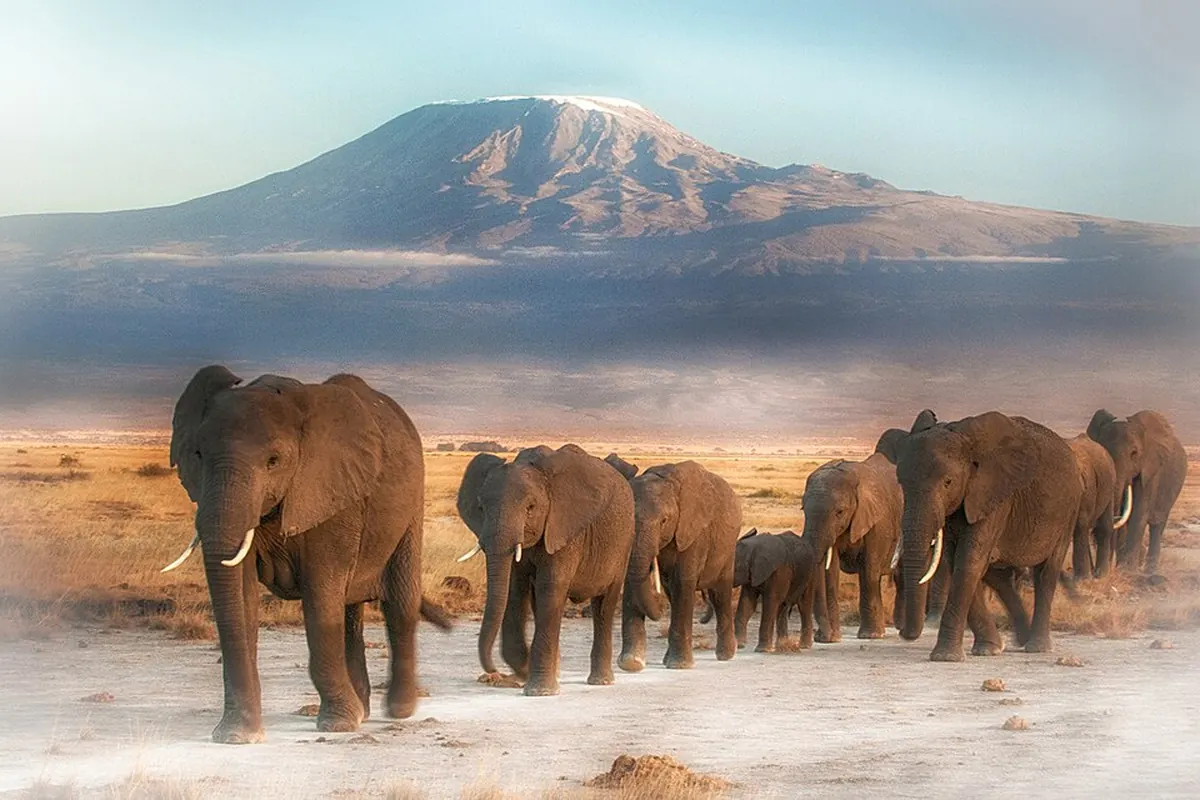
What is the best time to visit Amboseli?
For most travellers it is the dry season, June to October. Almost no rain falls, so the plains dry out and animals walk in to the only permanent water in the basin: the Enkongo Narok and Longinye swamps, fed by springs that rise from Kilimanjaro's underground aquifers. Elephants, buffalo, zebra, wildebeest and giraffe gather where you can see them, and the dust behind a moving herd glows at dawn.
If you can only choose one month, we pick September. It combines the tightest wildlife concentrations at the end of the dry season with some of the clearest mornings on the mountain. If you would rather share the tracks with fewer vehicles, January and February are a strong second window. The green months, November to May, suit birders, photographers who like moody skies and anyone watching the budget.
What is the weather like in Amboseli?
Amboseli is a semi-arid basin at about 1,100 metres above sea level, in Kajiado County at the northern foot of Kilimanjaro. It is dry by East African standards. The park research station has measured an average of about 350 mm of rain a year, and almost all of it falls in two seasons: the short rains in November and December, and the long rains from March to May. From June to October, rain almost never falls.
Temperature changes far more across a single day than across the year. Daytime highs run from about 25°C in July to about 28°C in February. Nights range from about 15°C in July to about 18°C or 19°C in March and April. Dawn game drives are cool, midday is hot and the light is hard, and we plan our days around that rhythm: out at first light, back for a long lunch, out again when the sun drops.
What is Amboseli like month by month?
The table shows what each month usually brings. Rainfall figures are the long-term pattern at the park research station, split across the months. Kilimanjaro ratings are a relative guide drawn from cloud-cover models, not a count of clear days, because nobody publishes one. Crowd levels follow lodge and flight seasons, because the Kenya Wildlife Service does not publish monthly visitor numbers.
Amboseli month by month: weather, Kilimanjaro visibility, crowds and wildlife
| Month | Weather | Kilimanjaro | Crowds | Wildlife |
|---|---|---|---|---|
| January | Warm, days about 28°C, around 28 mm of rain. Green after the short rains. | Fair to good | Busy over New Year, then moderate | Zebra and wildebeest calves on the plains, migrant birds still present |
| February | Hot and mostly dry, days about 28°C, around 28 mm. | Good | Moderate | Animals on the swamps, calves on the plains, clear low-dust air |
| March | Warmest nights, around 38 mm. The long rains arrive during the month. | Mixed, better early in the month | Moderate, busier at Easter | Plains turn green, elephant births begin to peak |
| April | Wettest month, around 72 mm. | Poorest odds, cloudiest mornings | Quiet, lowest lodge rates | Herds spread onto the ranches, many lions leave the park, young elephant calves |
| May | Rain tails off, around 43 mm. | Poor to fair | Quiet | Lush plains, elephant calves, scattered herds |
| June | Dry, around 11 mm, cooler days near 25°C. | Good | Rising | Herds start to walk in to the swamps |
| July | Driest month, around 6 mm, coolest nights near 15°C. | Good | Busy | Strong swamp concentrations of elephants, buffalo and plains game |
| August | Dry, around 8 mm. Dust builds. | Best of the year | Busy | Dense herds at the permanent water |
| September | Dry, around 8 mm, warming. | Best of the year | Busy | Tightest concentrations at the end of the dry season |
| October | Dry and hot, around 17 mm, dusty. | Good | Busy, easing late in the month | Herds still on the swamps, first migrant birds arrive |
| November | Short rains begin, around 47 mm. | Poor | Quiet | Green plains, migrant birds, fewer vehicles |
| December | Showers and sun, around 40 mm. | Poor to fair, often clearer after overnight rain | Quiet until about 20 December, then the festive peak | Birds, and a flooded lake bed sometimes brings flamingos, never guaranteed |
Averages hide bad years. Annual rain at the research station has ranged from about 130 mm in the driest year on record to about 550 mm in the wettest, so a dry January and a wet July both happen. When we plan a trip we look at the weeks before your dates, not only the calendar.
Why is June to October the best time for wildlife?
Water decides everything in Amboseli. The two big swamps never dry out, and they are the only permanent water for a very large area. As the dry season deepens, the herds leave the surrounding Maasai group ranches and converge on the swamps. The tightest concentrations come in September and October. Short grass and open ground mean you see animals from a long way off, and lions and cheetahs hunt in plain view.
The price of the dry months is dust. It gets into cameras, binoculars and bags, so we ask guests to bring covers and lens cloths. If this is your first safari, our 2 Day Amboseli Safari or 3 Day Amboseli Safari in these months puts you at the swamps at the best hours. For more on the herds themselves, read our guide to Amboseli elephants.
When can you see Kilimanjaro from Amboseli?
The mountain stands across the border in Tanzania, and its summit spends much of the day in cloud. In every month the cloud is thinnest from about 06:00 to 09:00 and thickest in the afternoon, so the first hours after dawn are your best chance whatever the month. On cloud-cover models, the clearest mornings are in August and September, with roughly four mornings in ten clear. October, July, June, February and March follow. April, November and December are the cloudiest, with about one clear morning in ten.
There is a counterpoint. Summit snow is usually heaviest in the rains, so the few clear mornings in those months show the whitest mountain. Plan at least two dawns whatever the season. Our guide to Kilimanjaro views from Amboseli covers the best viewpoints and hours.
Is Amboseli worth visiting in the rainy season?
Yes, for the right traveller. The short rains bring around 47 mm in November and 40 mm in December. The long rains run from March to May and peak in April at about 72 mm. The dust settles, the plains turn green and migrant birds arrive from October. Elephant births peak from March to June, so the youngest calves are easiest to see from April to July. After heavy rain Lake Amboseli can flood and sometimes draws flamingos, though never guaranteed.
The trade-offs are real. The herds spread out onto the group ranches and conservancies, and lions normally move out of the park in the wet season, so you see fewer animals per hour. Floods can close viewing tracks and, in extreme years, the airstrip. The last gravel stretches to the gates are slower after heavy rain. We use a 4x4 with a driver who knows which loops are open, and we keep afternoons flexible. If birds are your reason to come, read our Amboseli birds guide.
When is Amboseli busiest, and when is it quiet?
The busy periods are July to October and the Christmas to New Year fortnight. The quiet ones are April, May and most of November. Lodges follow the same pattern: their lowest rates are in April and May, and their highest are from July to October and over the festive weeks. The KWS park entry fee does not change with the season, so the savings in the green months come from lodge rates, not from the gate.
Where you are matters as much as when. The swamp circuits and Observation Hill see the most vehicles. Early morning and late afternoon are quieter than the middle of the day, and your guide can steer you to quieter loops even in July.
What is the best time for birds, calves and photography?
- Birds: November to April, when migrants join the resident species. See the Amboseli Birds guide.
- Elephant calves: April to July, after births peak from March to June.
- Big herds and drama: July to October, with September at the top.
- Green backdrops and soft skies: January to March, and the short rains in November.
- Kilimanjaro at dawn: August and September, then January and February. Allow two or three mornings.
How do I choose my dates?
Match the month to what matters most to you.
- First safari, short trip: choose July to October and book the 2 Day Amboseli Safari or 3 Day Amboseli Safari.
- Photographers who want the mountain: choose August, September or February and allow three dawns, as on the Amboseli Photography Safari.
- Birders and budget travellers: choose November, or March before the heavy rain, and pack a rain jacket.
- Families: choose a month when roads are firm and drives are comfortable, usually June to October or February.
Tell us your dates and group size on WhatsApp. We will say plainly what to expect that week, what the roads are doing and which package fits.
Safaris to consider
Plan it with us
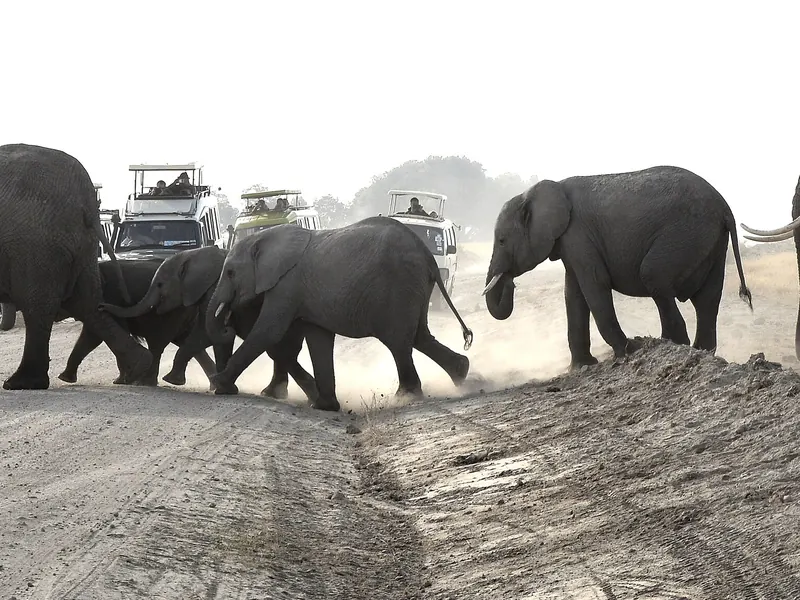
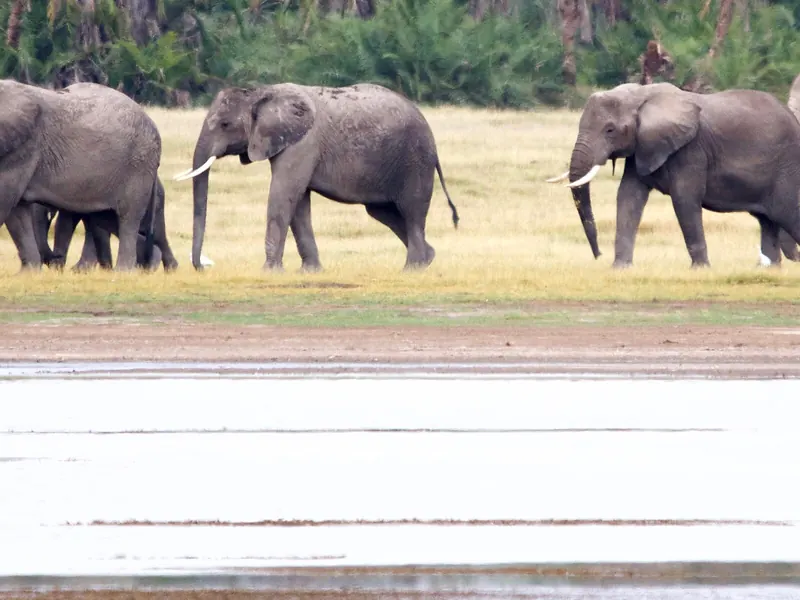
3 days, 2 nights
3 Day Amboseli Safari
A full day at the swamps and Observation Hill, with two dawns for Kilimanjaro.
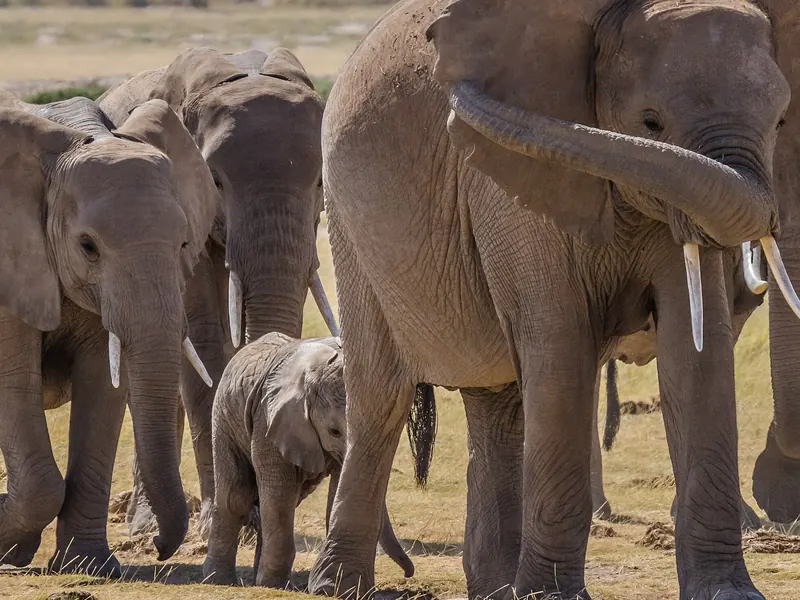
4 days, 3 nights
Amboseli Photography Safari
Dawn and dusk shoots, positioned for elephants and Kilimanjaro.
FAQ
Frequently asked questions
What is the best month to visit Amboseli?
September is our pick, because the herds are tightest at the swamps and mornings are among the clearest for Kilimanjaro. July, August and October are also excellent. January and February make a strong second window.
Is Amboseli good in April and May?
Amboseli in April and May is green, quiet and the cheapest time of year, and elephant calves are easy to see. The trade-off is scattered herds, cloudier mornings and some slow roads. Choose these months if price and quiet matter more than game density.
When is the best time to see Kilimanjaro?
The best time to see Kilimanjaro from Amboseli is dawn, from about 06:00 to 09:00, in any month. The clearest mornings are in August and September, with January, February and June to October also good. Allow at least two dawns.
Does the park fee change between seasons?
The Amboseli park fee does not change between seasons: the Kenya Wildlife Service entry fee is the same all year. Lodge and camp rates are what change. See our park fees guide.
How many days do I need in Amboseli?
Two days gives you two game drives and one dawn. Three days gives you two dawns and a better chance of a clear mountain. See the 3 Day Amboseli Safari.
Ready to plan your Amboseli safari?
Send us a WhatsApp message or an email with your dates and group size. We reply with a clear plan and price.