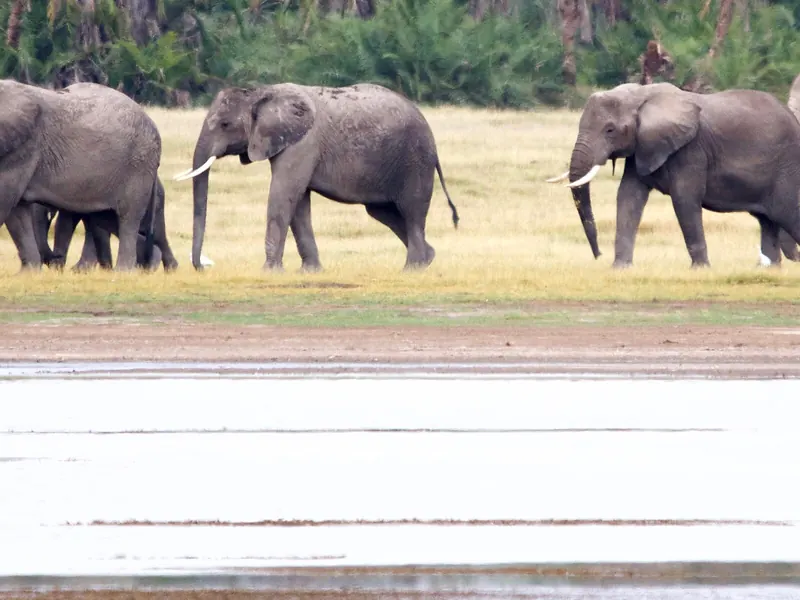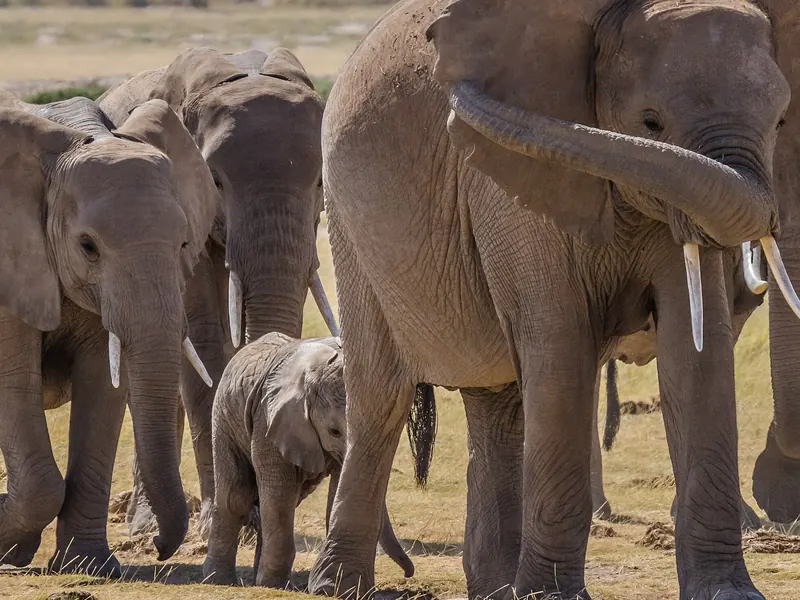
4 days, 3 nights
Amboseli Photography Safari
Dawn and dusk shoots, positioned for elephants and Kilimanjaro.
Dust, sun, cool dawns and long lenses. A practical packing list.
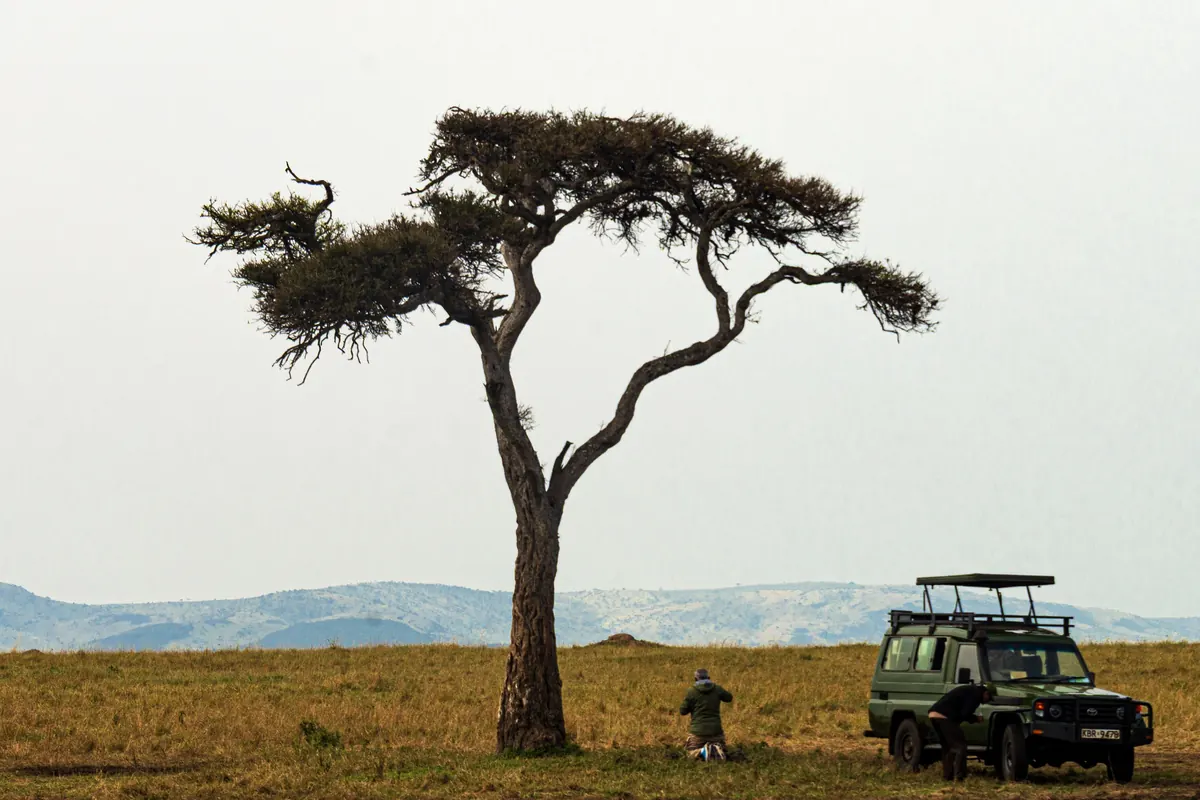
Pack light layers in neutral colours, a warm top for cool dawns, a hat, sunglasses, sunscreen, closed shoes, binoculars and a camera with a long lens. Bring dust protection for your gear, a refillable bottle, a Type G plug adapter and your travel papers. Leave camouflage, drones and single-use plastic at home.
Amboseli sits around 1,100 metres above sea level in a semi-arid landscape. Days are warm to hot. Early mornings and evenings are cool, and the coldest nights can drop into single digits Celsius. Rain is light in most years and falls mainly in the long rains from March to May and the short rains in November and December. The dry months bring the most dust. The practical answer is layers: you start a dawn drive in a fleece and finish the morning in a T-shirt.
Pack for dust, sun and temperature swings, not for style. Neutral colours hide dust and keep you low-key in the vehicle. Avoid camouflage and military-style clothing, because Kenya restricts it. Avoid black and dark blue on days in bush country, because tsetse flies are drawn to dark colours. That matters most if your trip continues to Tsavo West.
| Item | How many | Why |
|---|---|---|
| Long-sleeved shirts in khaki, tan or olive | 2 to 3 | Sun and dust protection that breathes |
| Light trousers and one pair of shorts | 2 to 3 pairs | Trousers for dawn and bushy areas, shorts for the lodge |
| Fleece or light down jacket | 1 | Dawn drives are cool, and an open roof lets the air in |
| Windproof or light rain jacket | 1 | Rain is possible, mostly from March to May and in November and December |
| Wide-brimmed hat or cap | 1 | Midday sun is strong |
| Closed walking shoes or light boots | 1 pair | Observation Hill and camp paths. Sandals for the lodge |
| Swimwear | 1 | Some lodges have pools |
| Scarf or buff | 1 | Dust on dry-season drives |
Binoculars are the best small purchase you can make. Elephants are easy to see, but birds and distant cats are what a good pair brings in. A pair with 8x or 10x magnification works well. KWS also lists a camera, sunscreen, insect repellent and a first aid kit in its visitor tips.
For photography, bring the longest lens you own, plus a wide lens for Kilimanjaro and landscape frames. Elephants often come close, so a 70-200 mm lens is useful too. Pack spare batteries and memory cards, because you will shoot more than you plan. Carry a lens cloth, a blower brush and a few zip bags, since dust gets everywhere. A beanbag is easier than a tripod from a vehicle window, and we supply beanbags on our Amboseli Photography Safari.
Kenya uses Type G three-pin sockets at 240 V. Most phone and camera chargers are dual voltage, so they need only an adapter. Check the label on each charger. A power bank is useful on long drive days.
Dress in three layers. A light base layer, a shirt and a fleece or light jacket work well. You take the fleece off as the sun climbs, and the layers pack into a daypack. Add a buff or scarf for dust and a hat for midday. At Observation Hill you walk a path, so closed shoes with a good sole are better than sandals. Keep your valuables in a small daypack that stays with you, and leave the heavier bag at the lodge.
Dust is the main enemy of equipment in Amboseli, especially in the dry months. A few simple habits make a big difference.
Children need the same layers, plus a sun hat they will actually wear, sunscreen, snacks and something to do on the road, such as a notebook for animal sightings or a small pair of binoculars. Older travellers should bring a seat cushion for long drives and comfortable shoes. Tell us about any mobility needs when you book, so we can plan stops and rooms. Our Amboseli Group and Family Safari keeps days short and flexible for mixed groups.
Use a soft duffel bag and a small daypack. A soft bag squeezes into a vehicle and into the hold of a small aircraft. Roll clothes, keep dirty items separate in a bag and pack one outfit for the first morning in your daypack in case your main bag is delayed. Carry your passport, eTA, insurance, tickets and medicines in your daypack, not your hold luggage. Ask your lodge about laundry if your trip is long, so you can pack fewer clothes.
Most visitors need an approved Kenya electronic travel authorisation (eTA) before they fly, and a passport valid for at least six months. From 5 October 2026 most visitors must also hold Kenya's government travel health insurance, bought as part of the eTA process, and it is valid for 90 days. A yellow fever certificate is needed if you arrive from a country listed as a transmission risk. Entry rules change, so check them on the official Kenya eTA site and with your airline before you travel.
Ask your doctor or a travel clinic about malaria prevention and routine vaccines well before departure. Bring any prescription medicine in its original packaging, plus insect repellent, sunscreen, lip balm, hand gel and basic first aid items. Take out your own travel and medical insurance as well.
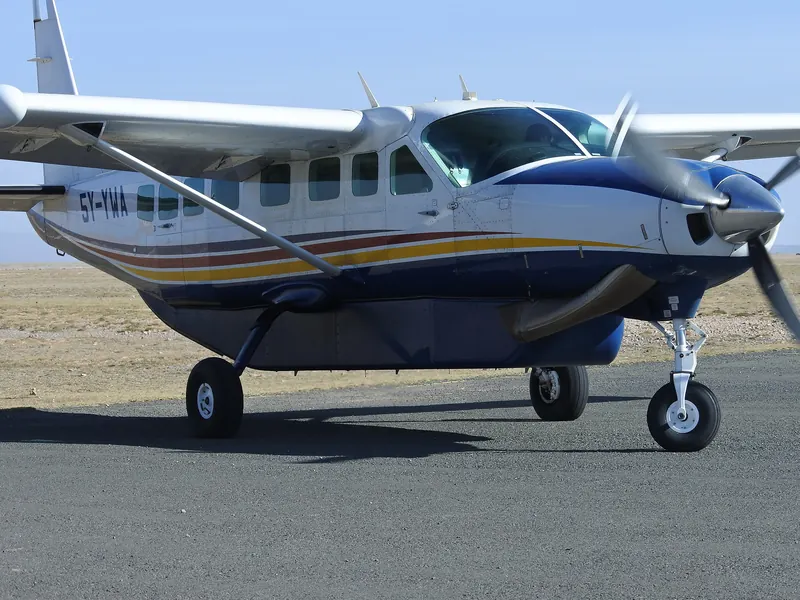
Light aircraft from Wilson Airport to the Amboseli airstrip have strict baggage limits and soft bags only. Confirm your allowance when you book our Amboseli Fly-In Safari. If you combine Amboseli with another park, pack for both. Check the weather for your second park on your dates, because the Masai Mara, for example, can be cool and wet in the rains. Our how to get to Amboseli guide covers flights and road routes, and the best time guide helps you decide how warm to pack.
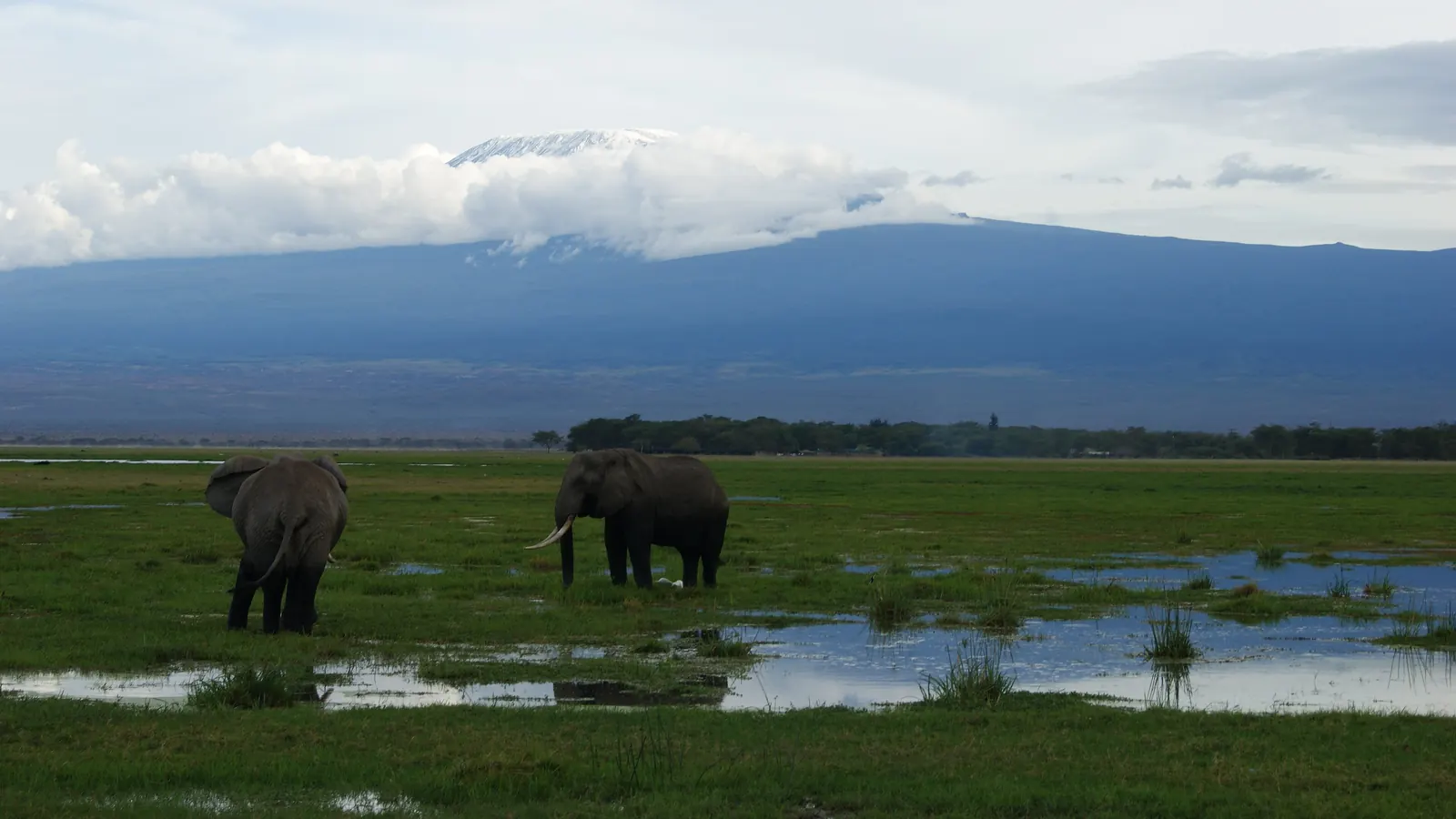
If you want the clearest mountain pictures, read our Kilimanjaro views guide before you choose lenses.
Bring a little Kenyan shilling cash for tips and small purchases such as crafts. Cards work in many lodges and towns, but signal and card machines can fail in remote places. Tips for your driver-guide and camp staff are not included in our packages. Keep small notes handy. A headlamp, a small daypack and a notebook for your bird and animal list are worth the space.
If you are unsure about any item, ask us on WhatsApp before you buy it.
Safaris to consider
4 days, 3 nights
Dawn and dusk shoots, positioned for elephants and Kilimanjaro.
3 days, 2 nights
A full day at the swamps and Observation Hill, with two dawns for Kilimanjaro.
3 days, 2 nights
Fly from Wilson Airport and start your game drive within the hour.
FAQ
For an Amboseli safari wear khaki, tan, olive or brown, which hide dust and keep you low-key. Avoid camouflage, and avoid black and dark blue on days in bush country because tsetse flies like dark colours.
Amboseli mornings and evenings are cool, and the coldest nights can fall into single digits Celsius, so bring a fleece. Days are warm to hot.
A drone cannot be brought to Amboseli without prior approval. Importing a drone into Kenya needs approval from the Kenya Civil Aviation Authority, and parks set their own rules, so most visitors leave the drone at home.
Single-use plastic is prohibited in KWS parks, including Amboseli National Park, so bring a refillable bottle. We carry bottled drinking water in the vehicle.
Kenya, including Amboseli, uses Type G three-pin sockets at 240 V. Most phone and camera chargers are dual voltage and only need an adapter.
Send us a WhatsApp message or an email with your dates and group size. We reply with a clear plan and price.