6 days, 5 nights
Amboseli and Masai Mara Safari
Amboseli's elephants, then Masai Mara's big cats in one trip.
Two great parks, two different safaris. How to choose, and why combining both is our recommended way.
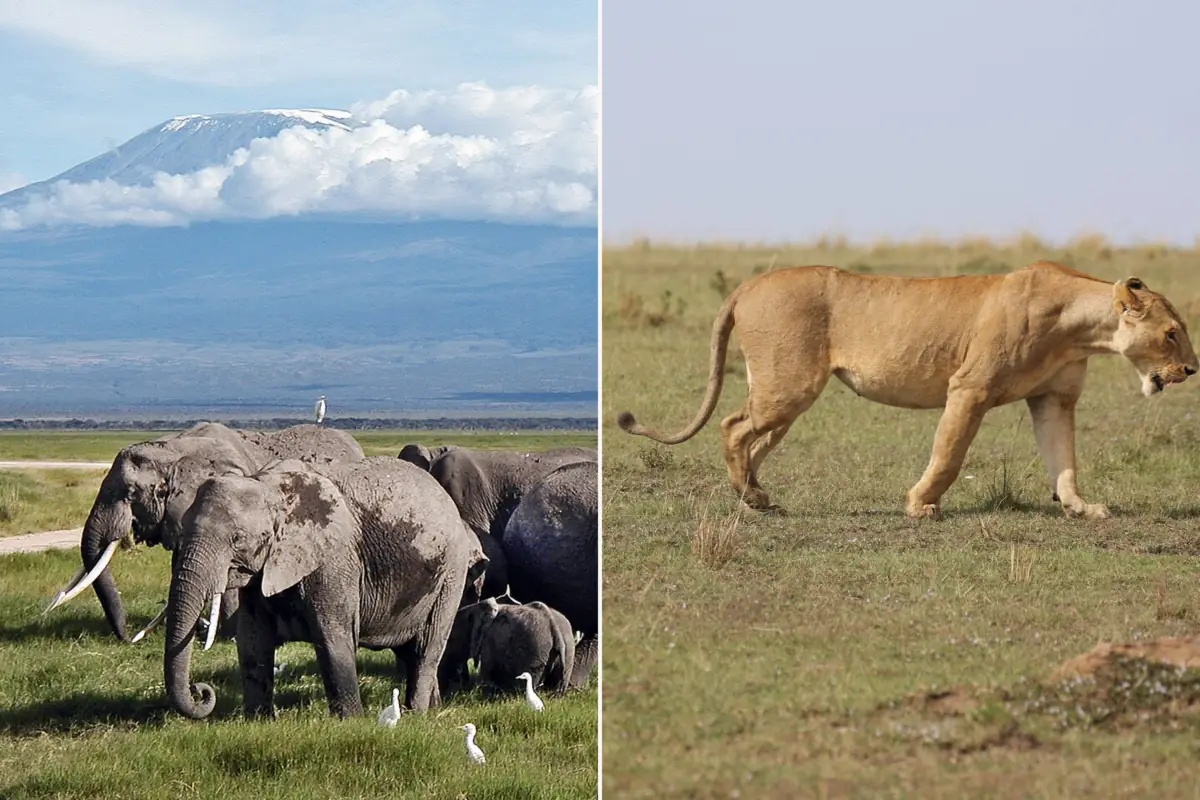
Amboseli gives you close elephants, open plains and Kilimanjaro, with a 4 to 5 hour drive from Nairobi. The Masai Mara gives you big cats, rolling grassland and the wildebeest migration, with a 5 to 6 hour drive. Each is excellent. The best answer is both, and our Amboseli and Masai Mara Safari does exactly that.
Amboseli is a focused, photogenic park. It is small, flat and open, and its permanent swamps pull elephants close to your vehicle with Kilimanjaro standing behind them. The Masai Mara is a much larger reserve of rolling grassland, acacia, riverbank woodland and the Mara River. It joins the Serengeti in Tanzania, so it sits at the northern end of one of the largest wildlife movements on earth.
Put simply, Amboseli is where you go for elephants and the mountain. The Mara is where you go for lions, cheetahs, leopards and the migration. Both are in Kenya, both have excellent guides and both reward a first safari.
| Topic | Amboseli National Park | Masai Mara National Reserve |
|---|---|---|
| Size | 392 sq km, inside an ecosystem of about 8,000 sq km | About 1,500 sq km, part of the wider Mara and Serengeti ecosystem |
| Run by | Kenya Wildlife Service | Narok County Government. The Mara Triangle is run by the Mara Conservancy for the county |
| From Nairobi | About 204 km via Emali. 4 to 5 hours by road, or a short flight from Wilson Airport | Roughly 230 to 270 km. 5 to 6 hours by road, or a short flight from Wilson Airport |
| Signature sight | Big elephant herds with Kilimanjaro behind | Lions, cheetahs and the Great Migration herds |
| Big Five | Elephant, lion, buffalo and leopard. Rhinos are no longer in the park | All five on paper. Black rhinos are present in small numbers and rarely seen |
| Landscape | Flat plains, swamps, the dry Lake Amboseli bed and a volcano on the horizon | Rolling grassland, acacia, river crossings and the Oloololo escarpment |
| Best months | January to February and June to October, with the clearest mountain mornings in the dry months | June to October for general game. The migration is usually in the Mara from July or August to October |
| Beyond the vehicle | Observation Hill inside the park. Balloons and walks outside it | Balloon flights nearby. Conservancies beside the reserve offer walks and night drives |
| Ideal length | 1 to 3 nights | 3 nights or more to cover the main areas |
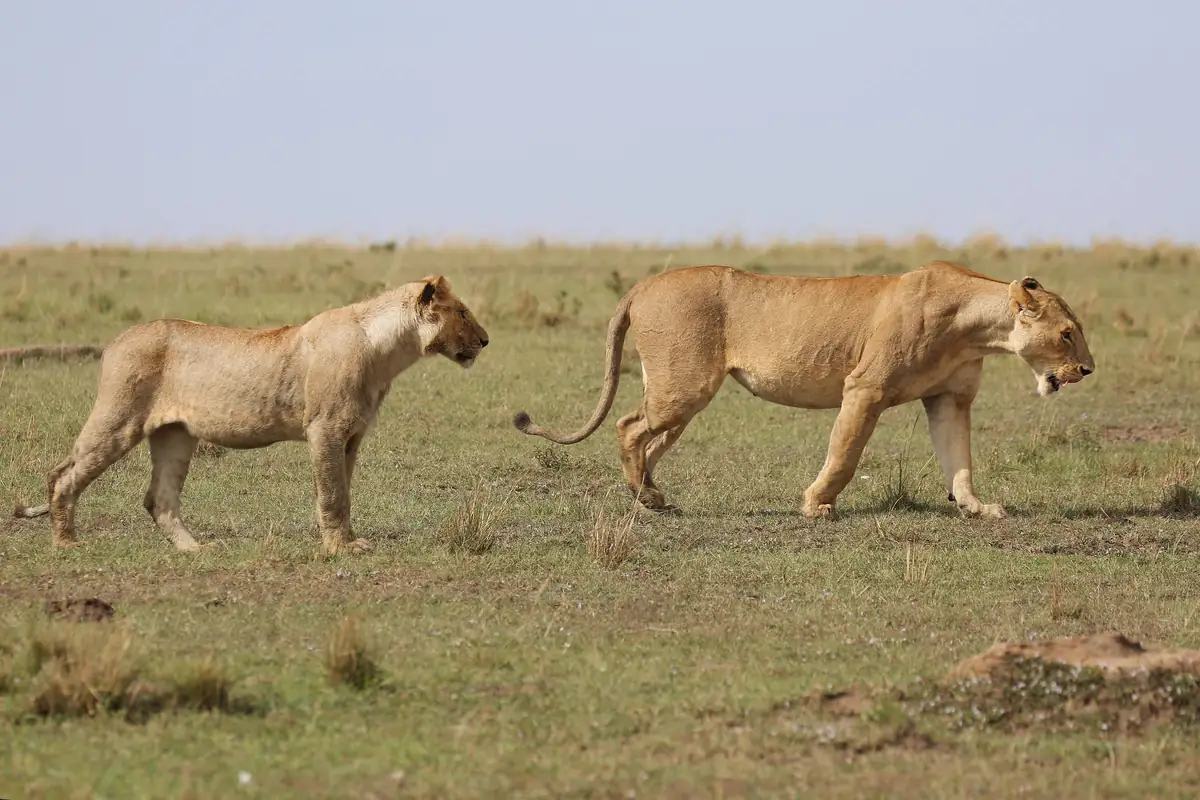
Be fair to the Mara, because it earns its fame. The reserve holds large numbers of lions and cheetahs on open ground, and the plains are broad enough to watch a hunt develop. Between roughly July and October, herds of wildebeest and zebra from the Serengeti spend time in the Mara, and the Mara River crossings are most likely in August and September. The timing shifts every year, so no operator can promise a crossing on a given day.
The Mara also offers more ways to see the land. Conservancies beside the reserve allow guided walks and night drives, and balloon flights launch nearby. If your single wish is a migration crossing or a cheetah on a termite mound, the Mara should be on your itinerary.
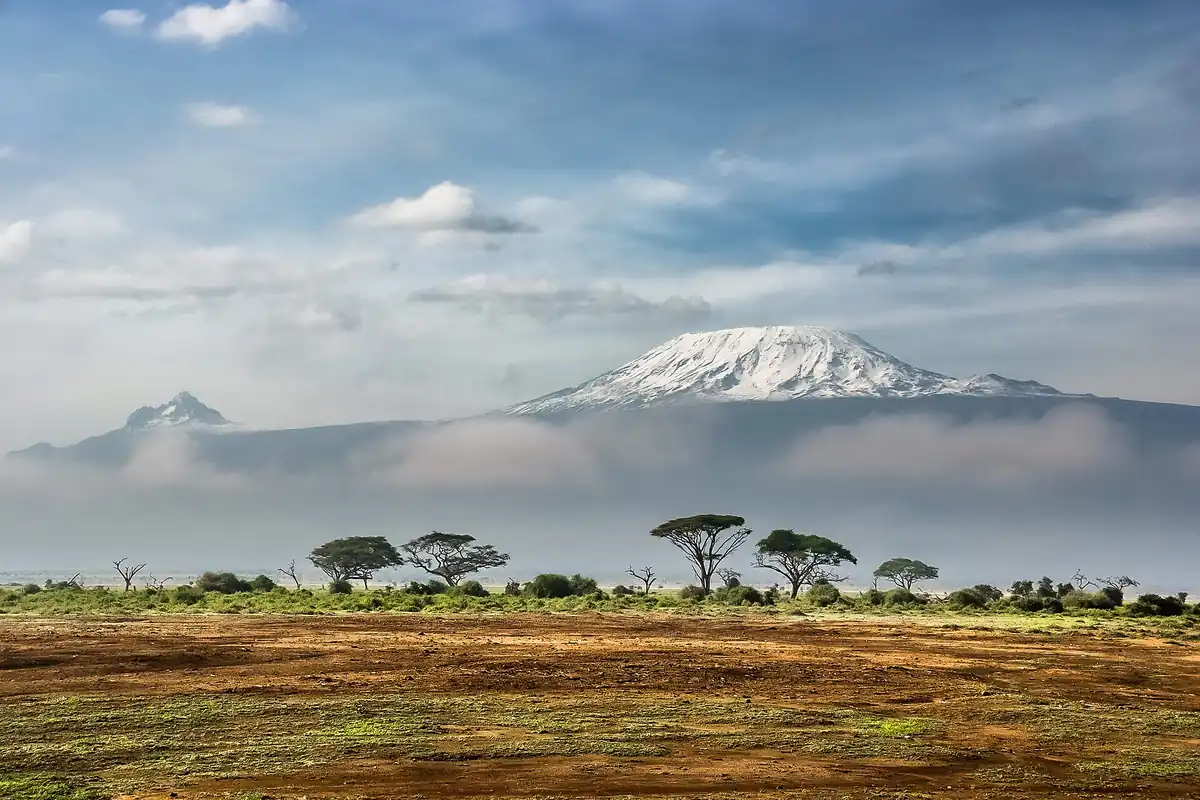
Amboseli wins on elephants and views. The park is home to a famous elephant population, studied since 1972 by Cynthia Moss and the Amboseli Trust for Elephants in the longest running study of wild elephants anywhere. By the end of 2024 the study population stood at 1,903 living elephants, and many are known by name to the researchers. You watch them at close range, feeding in the swamps and crossing open ground, with Mount Kilimanjaro behind.
It also wins on simplicity. The drive from Nairobi via Emali is shorter, the park is compact and one night is enough for a real taste. Our best time to visit guide shows when the mountain is clearest, and our Amboseli wildlife guide covers what you will see besides elephants.
Amboseli is the simpler trip. It is a shorter drive from Nairobi, it has one park authority and it is easy to cover in one to three nights. The Masai Mara is a longer drive and a larger area, and a good visit usually needs at least three nights so you are not racing between sectors. Fees are set separately. KWS sets the Amboseli rate at USD 90 per non-resident adult per day. Narok County Government runs the Mara and sets its own rate, USD 100 per adult per day from January to June and USD 200 from July to December (checked 17 Oct 2026). Both are included in our combined package.
Roads matter too. Both parks are easier in the dry months. In the wet months, gravel and murram sections can be slow, which is why we use 4x4 vehicles with experienced guides on every route. Our Amboseli safari cost guide shows how the pieces add up.
Both parks are popular, and both reward good timing. In Amboseli the swamps concentrate wildlife and vehicles, so a guide who knows the quieter loops, and who heads west toward the Lake Amboseli basin when the swamps are busy, gives you more space. Observation Hill is the one stop shared by many groups, so go early or late.
In the Mara the busiest scenes are the river crossing points in the migration months, where vehicles gather along the bank. Conservancies beside the reserve usually limit the number of vehicles and camps, which gives a quieter feel at a higher price. Either way, the secret is the same: an early start, a patient guide and a flexible plan.
| If you are | Lean toward | Why |
|---|---|---|
| On your first safari with 2 or 3 days | Amboseli | Shorter drive, compact park, elephants and the mountain in one place |
| Hoping for a migration river crossing | Masai Mara, July or August to October | The herds are in the Mara in those months, and crossings are most likely in August and September |
| A photographer who loves a strong backdrop | Amboseli | Elephants cross open ground with Kilimanjaro behind them in the clear morning light |
| Keen on big cats | Masai Mara | Open grassland and strong lion and cheetah numbers |
| Travelling with young children | Amboseli first | Less time on the road and short, rewarding drives |
| Wanting the fullest Kenya picture | Both parks | Two ecosystems, two light conditions and a wider species list in one trip |
The last row is the one we recommend most often. Choosing one park is a good plan. Choosing both is a better one, because you share the Nairobi leg and one guide team, and you skip the repeat transfers of two separate trips.
Combine them. The two parks do not compete. They complete each other. Amboseli gives you the elephants and the mountain. The Mara gives you the cats and the grassland. Together they give you elephants, lions and buffalo, leopards and cheetahs with some luck, a small chance of black rhino in the Mara, two very different landscapes and two kinds of light.
Our recommended way to do it is the Amboseli and Masai Mara Safari. It runs six days and five nights in a private 4x4 with a pop-up roof and one guide team across both parks. You start in Amboseli with a dawn drive and a full day at the swamps, return to Nairobi for a rest night, then drive on to the Mara via Narok for a full day of game drives. You can fly between the parks from Wilson Airport instead, which gains you a day. The direct road between the two parks is a full day of 8 to 10 hours, which is why we route through Nairobi or fly.
| If you have | We suggest |
|---|---|
| 1 to 3 days, first safari | 3 Day Amboseli Safari |
| 5 to 6 days, two landscapes | Amboseli and Masai Mara Safari (our recommendation) |
| 5 days and a love of dramatic scenery | Amboseli and Tsavo West Safari |
| Limited time and a flight budget | Amboseli Fly-In Safari |
Park and reserve fees are part of the package price, and the Mara fee is USD 100 per adult per day from January to June and USD 200 from July to December. The Amboseli and Masai Mara Safari starts from USD 2,100 per person for four guests in April or May. Our Amboseli safari cost guide explains what goes into the number.
June to October is dry in both parks, which means clear mountain mornings in Amboseli and the migration in the Mara from about July or August. January and February are also dry and quieter. The rainy months, March to May and November to December, are greener, with fewer vehicles and a changeable sky. Tell us your dates and we will say honestly what each park will look like.
Combined trips book up for the migration months, so ask early. We will tell you the sensible order, the road or flight option and the camp tier that fits.
Safaris to consider
6 days, 5 nights
Amboseli's elephants, then Masai Mara's big cats in one trip.
3 days, 2 nights
A full day at the swamps and Observation Hill, with two dawns for Kilimanjaro.
5 days, 4 nights
Elephant plains beneath Kilimanjaro, then volcanic Tsavo West.
FAQ
Amboseli and the Masai Mara both work for a first safari. Amboseli is shorter to reach and easy to enjoy in one to three nights, while the Mara suits a longer trip. Our Amboseli and Masai Mara Safari lets you see both.
You can see four of them: elephant, lion, buffalo and leopard. Leopards are seen less often. Rhinos are no longer in the park, so pairing Amboseli with the Mara widens your list.
Travel between Amboseli and the Masai Mara takes a full day of 8 to 10 hours by road. We route through Nairobi with a rest night, or fly from Wilson Airport to save a day.
The Great Migration herds are usually in the Masai Mara from about July or August to October, with river crossings most likely in August and September. Timing varies each year.
Six days and five nights is a comfortable minimum, and it is the length of our Amboseli and Masai Mara Safari.
Send us a WhatsApp message or an email with your dates and group size. We reply with a clear plan and price.