3 days, 2 nights
Amboseli Group and Family Safari
Space for everyone, with a pace that suits children and grandparents alike.
The people who share the Amboseli landscape, and how to visit with respect.
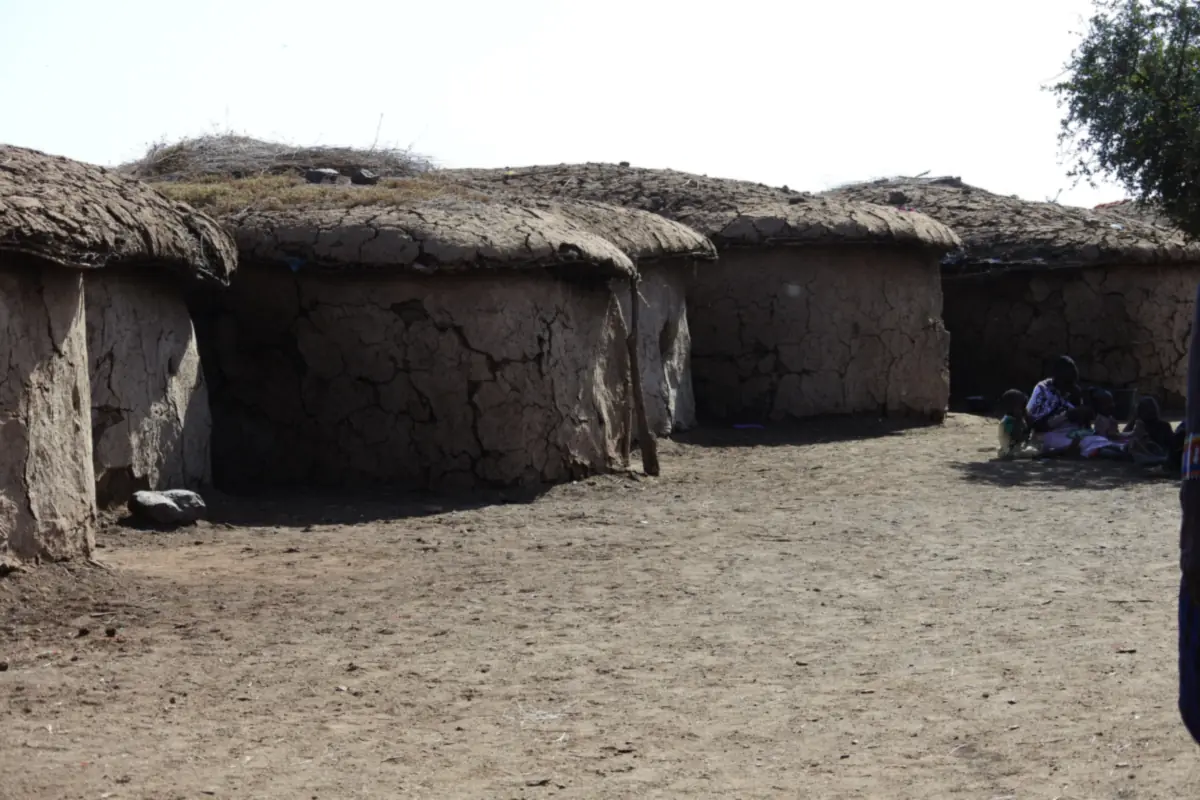
The Maasai are the Maa-speaking pastoralist people whose land surrounds Amboseli in Kajiado County. They share this landscape with elephants, and their conservancies protect the wider ecosystem. Visit with a named host, agree the fee first, ask before taking photographs and treat the visit as a conversation, not a show.
The Maasai are a Nilotic people of southern Kenya and northern Tanzania. Their language is Maa, and most also speak Swahili and English. The Maasai are not one village or one costume. They are many communities, known as sections, each with its own leadership, customs and dialect. The Amboseli area was known in Maa as Empusel, meaning a salty, dusty place. That name suits the dry lake basin well.
Today people live in a mix of ways. Many families still herd cattle, goats and sheep, which remain central to food, wealth and identity. Others farm, run shops, teach, guide, work as rangers or manage lodges. The life you see on the road is both traditional and modern, and the two sit side by side.
Amboseli was first set aside as the Southern Reserve for the Maasai in 1906. It returned to local control as a game reserve in 1948 and became a national park in 1974, and KWS manages it today. The park sits inside a much larger ecosystem of about 8,000 square kilometres that crosses into Tanzania. Much of that ecosystem is Maasai land, and wildlife spends large parts of the year on it.
That makes the Maasai central to conservation here. The Amboseli Trust for Elephants says it has always kept a close and collaborative relationship with the Maasai communities in the ecosystem, and that community members help its team find the elephants. Conservancies such as Kitirua, Kimana and Selenkay protect community land beside the park. Even inside the park the Ol Tukai enclave is managed by Kajiado County rather than KWS.
The story of the land is not simple. Park boundaries limited grazing and shaped where people live. Today community land and park land work together, and good tourism supports both. That is one reason to spend your money with hosts you can name.
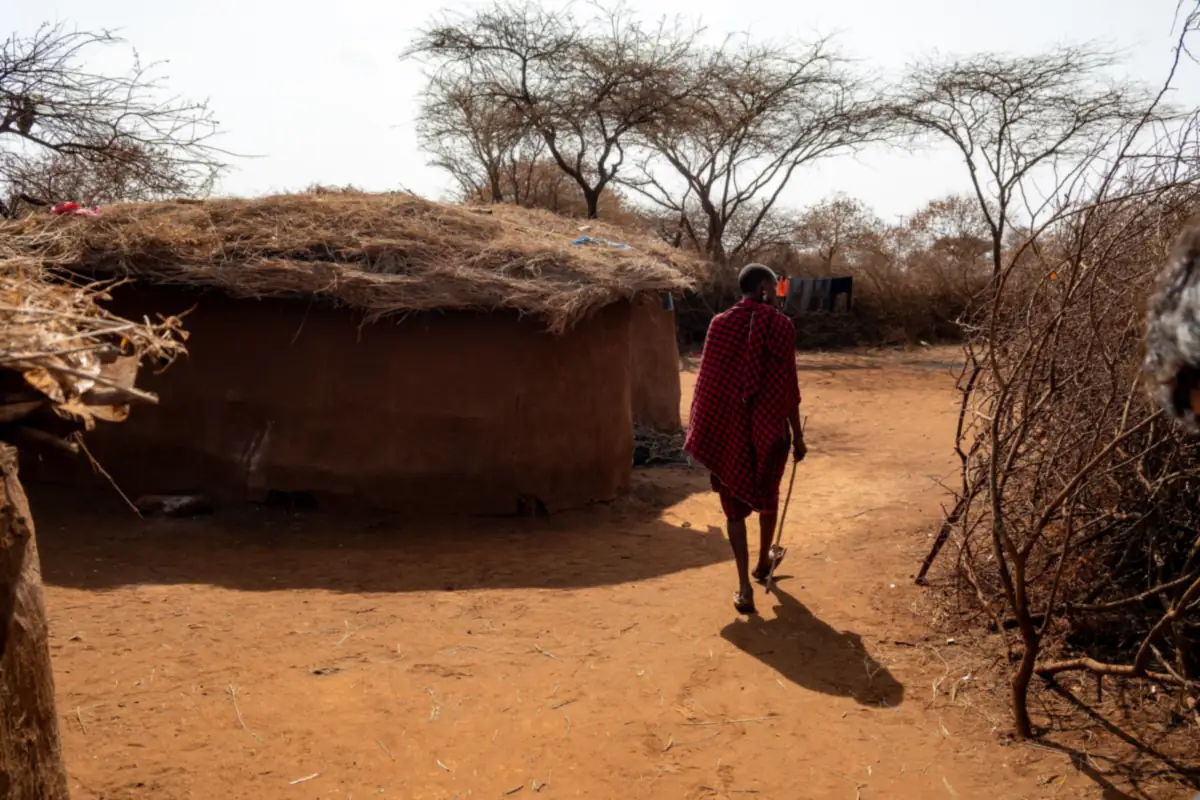
Some ceremonies are private family or community events. Do not ask to attend or photograph them unless the community invites you.
Use this short checklist, and share it with your group before the visit.
When you add a community visit to your safari, we agree the host and the fee before you go. A visit fits between game drives, and it is an optional extra on our Amboseli Group and Family Safari. On the Amboseli Safari from Mombasa there is free time on day three for a visit or a rest.
Local knowledge is part of every good safari. Guides who grew up in the area read tracks, weather and animal behaviour with an ease that surprises first-time visitors. Place names carry history, too. Observation Hill is Nomatior, which KWS links to pottery and to the Ndorobo hunters and honey gatherers who lived there. Ol Tukai is the Maa name for the doum palm. Learn the names and the landscape reads like a story.
The best way to connect the culture and the wildlife is to ask your guide. Our Amboseli elephants guide covers the elephant research, and our things to do guide shows where a visit fits in your day. The Amboseli map shows how community land wraps around the park.
Visits differ by host, but they usually follow a gentle pattern. You are welcomed, often with song and dance. You are shown around the homestead, told how the family herds, builds, cooks and shares tasks, and given time to ask questions. There is usually a chance to see beadwork and other crafts made by local people. Buying is optional and you can say no at any point.
The best visits are slow. Ask about the herd, about the school children walk to, about water in a dry year and about living next to elephants and lions. Hosts often have strong views on how conservation and community land can work together, and you will leave with a fuller picture of Amboseli than a game drive alone can give.
Ask with curiosity, not judgment. Your host may be speaking in a second or third language, so be patient and let answers take their time.
Tell us what you want from a visit and we will help you shape it.
Safaris to consider
3 days, 2 nights
Space for everyone, with a pace that suits children and grandparents alike.
3 days, 2 nights
A full day at the swamps and Observation Hill, with two dawns for Kilimanjaro.
FAQ
A Maasai village visit near Amboseli is respectful when the host invites you, the fee reaches the family or community and you ask before taking photographs. Choose a named host and agree the fee in advance.
A Maasai village visit near Amboseli varies by host. On our safaris it is an optional extra at about USD 25 to 50 per person, so agree the fee and what it covers before you go.
Photographs of the Maasai near Amboseli need permission: ask each person first, and ask a parent before you photograph a child. Accept a no politely, and do not photograph private ceremonies.
The Maasai of Amboseli speak Maa, and many also speak Swahili and English. "Supa" is a common greeting and "Ashe" means thank you.
Not all Maasai near Amboseli live in traditional homesteads. Some families live in a traditional enkang, while others live in single-family homes, towns and cities, and dress and work vary too.
Send us a WhatsApp message or an email with your dates and group size. We reply with a clear plan and price.